Trust. Experience. Results.
Trust. Experience. Results.
10/26/2026
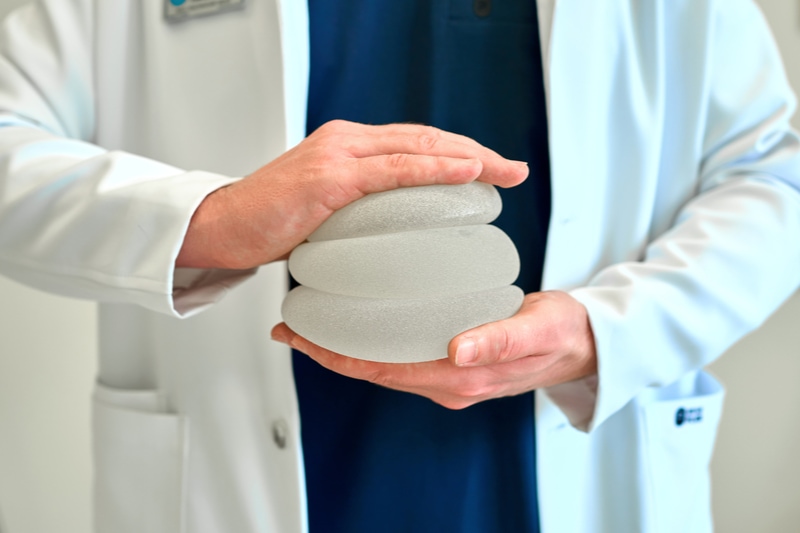
The idea of a ten-year expiration date is common, but it can make people worry about surgery even if they feel fine. Breast implants do not always need to be replaced after ten years. The decision depends on their condition, any symptoms, and your current goals.
Breast implants are not meant to last forever. The FDA says their lifespan is unpredictable, and the risk of problems goes up over time. This means it’s important to keep up with checkups, notice any changes, and only consider revision if there’s a real reason.
Some implants last more than ten years, while others may need attention sooner. An average lifespan does not predict how long your implants will last. Saying ten to twenty years is just a general idea, not a guarantee or a set deadline for removal.
This uncertainty is true for both silicone and saline implants. Both types have a silicone shell that can break, but the filling affects how a leak shows up. For example, cohesive gel implants can keep their shape even if the shell is damaged. Just because an implant feels normal, even with gummy bear implants, does not mean it is intact.
If you are considering breast augmentation, it’s important to talk about how long implants last, along with size, placement, and recovery. You should also plan for regular checkups, screening for silicone ruptures, and the chance of future surgery. If you already have implants, your next steps depend on your current exam and any imaging results.
Revision surgery may be needed for a damaged implant, changes in the tissue around it, or if you want a different breast size. These situations can require different types of surgery. Revision can mean exchanging the implant, working on the capsule or pocket, or sometimes doing a lift.
When a saline implant ruptures, the saltwater escapes and the implant loses volume. One breast may become smaller over a short period or over several days. The body absorbs the saline, but the empty shell remains and still needs a surgeon’s assessment.
A silicone implant rupture can be much harder to recognize. Silicone gel may stay within the surrounding capsule, leaving the breast looking and feeling much the same. This is a silent rupture; an examination alone cannot reliably rule it out. Possible signs of breast implant rupture include a new change in shape, a lump, discomfort, or swelling, but there may be no noticeable symptoms.
If imaging confirms a ruptured silicone implant, specialists generally recommend removal for someone healthy enough to undergo surgery, even without symptoms. Replacement may be possible during the same operation, depending on the findings. Mayo Clinic’s explanation of silicone rupture outlines why an apparently unchanged breast can still need treatment.
The body naturally forms a scar-tissue capsule around an implant. This is normal, but sometimes the tissue tightens and squeezes the implant, which is called capsular contracture. This can make the breast feel firmer, look different, or cause pain.
Treatment depends on how severe the problem is. Mild firmness and a hard, painful, or misshapen breast need different care. More serious contracture may need surgery on the capsule and implant, and it can come back after treatment. Any new firmness should be checked, even if your implants are less than ten years old.
Breast tissue and skin keep changing after surgery. Pregnancy, weight changes, and aging can affect how your breasts look, even if the implant is fine. You might also want less fullness than before. Wanting a change does not mean your implants have failed.
The type of surgery should match your concern. Replacing an implant changes the size and shape, while a breast lift helps with loose skin and nipple position. If the implant has moved, pocket repair may be needed. Just choosing a bigger implant will not always fix sagging or a stretched pocket.
For people with silicone implants and no symptoms, the FDA recommends an ultrasound or MRI five to six years after getting the implants, then every two to three years. If you have symptoms or unclear ultrasound results, you may need an MRI sooner. This schedule checks for ruptures, not for planning future surgery.
Saline implants do not need the same silent-rupture screening because leaks usually cause visible deflation. Both types still need regular follow-up. Routine mammograms and other breast cancer screenings should continue based on your age, risk, and medical history. These tests are different from imaging used to check implant integrity.
Keep your implant card and surgery records, as they help make your appointments more productive. Details like the manufacturer, model, filling, surface, and placement date help your doctor identify your implant and check the right information. If you are not sure when your last silicone screening was, you can schedule a review instead of waiting for ten years.
If you notice a new lump, ongoing swelling, pain, or a clear change in breast size or shape, contact your surgeon or healthcare provider right away. Many things can cause these changes, so it’s important to find out the reason. Don’t wait for your next routine screening if you have a new symptom.
Swelling that happens later on should also be checked for rare conditions, like breast implant-associated anaplastic large cell lymphoma (BIA-ALCL), which is more common with textured implants. The FDA’s breast implant risk guidance covers these issues. Even if you feel fine, you still need regular silicone rupture screening.
A simple implant exchange is different from revision surgery for hardened scar tissue, a leaking implant, pocket repair, or a lift. At Austin-Weston, breast revision surgery can address implant size, position, and changes in the breast. Your assessment should consider your previous surgery and your goals.
Recovery time depends on the type of surgery you have. Your experience with breast augmentation recovery can help you prepare, but it may not predict how much time you’ll need off work or what lifting limits you’ll have after a bigger revision. Revision surgery also has risks like bleeding, infection, changes in feeling, uneven results, and capsular contracture coming back. New implants will also need regular care.
Removing your implants does not mean you have to get new ones. If you no longer want implants, you can talk about removal and get a separate assessment of how your breast tissue and skin might look afterward. Whether you need capsule surgery depends on what your doctor finds. Not every part of the capsule always needs to be removed.
A warranty is about finances, not a medical deadline. Coverage depends on the manufacturer, device, and program, and sometimes only the device is covered, not all surgery costs. Before planning surgery, check the details of your warranty and get a written estimate for your procedure.
Austin-Weston gives you a breast revision quote during your consultation. The price depends on what needs to be done, not just the age of your implants. Insurance coverage also varies, so don’t assume that a recommended revision or a warranty will cover everything.
Some implants can last twenty years, but this is not a safety guarantee. The longer they are in place, the higher the risk of complications. You should review continued use with your doctor and get the right imaging for silicone implants, instead of relying on looks alone.
If your implants feel fine, you don’t need to replace them automatically, but this does not rule out a silent silicone rupture. Your doctor will use exams, your screening history, and any imaging results to decide if you need more monitoring or treatment.
A consultation can help answer the questions that the ten-year rule does not cover: Are your implants intact? Is any change coming from the implant, the tissue around it, or both? What would monitoring, replacement, or removal involve? Your plan should be based on these answers.
Austin-Weston, The Center for Cosmetic Surgery in Reston, serves patients in Northern Virginia and the Washington, D.C. area. Schedule a consultation to review your implants and discuss any concerns with our plastic surgeons. Bring your implant card and any imaging reports so we can start with the facts about your implants.
Our five, board-certified plastic surgeons have over 100 years of combined experience & work together in our dedicated, luxurious center providing combined knowledge on all procedures. Schedule your consultation today to learn how our surgeons can guide you on your journey to aesthetic harmony.
